
Solar panel repairs, starting with finding the real fault
When a system stops generating or quietly underperforms, the cause is not always obvious. Careful diagnosis saves replacing parts that were never the problem.
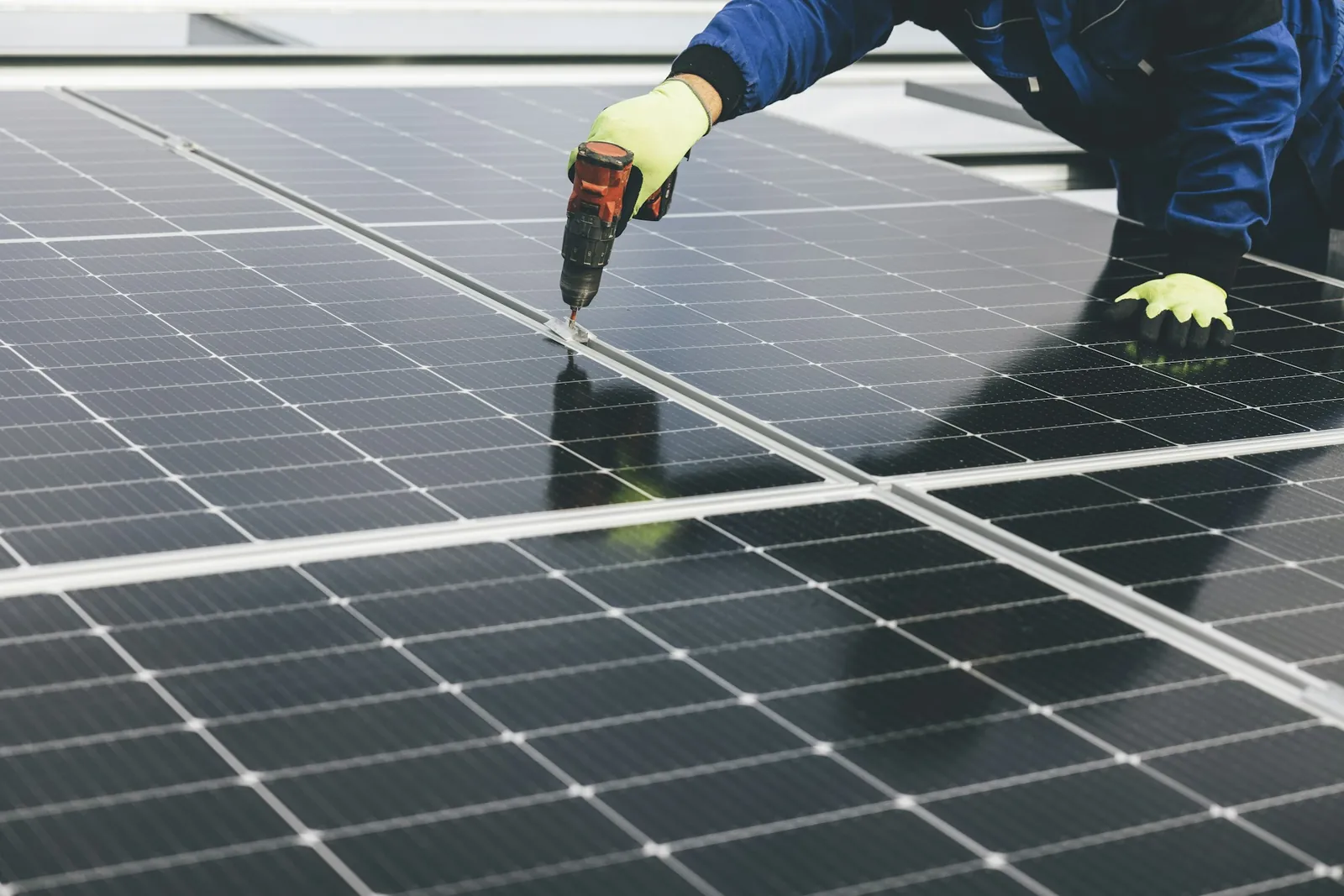
Common reasons a system needs attention
The most frequent culprit is the inverter, which works constantly and eventually wears out. After that come connector and cabling faults, damaged or degraded panels, failed optimisers or monitoring equipment and, occasionally, installation defects that only show up years later.
Because solar systems carry live DC voltage whenever light falls on the panels, fault finding should be carried out by competent people with the right test equipment. Our approach is to establish what has actually failed, explain it to you plainly, and set out repair options with their likely costs and trade-offs before any work begins.
What to do if you think something is wrong
- Note what you see
- Write down any error codes and take photographs of the inverter display and any visible damage.
- Check the basics safely
- If the inverter has no display, check the dedicated circuit breaker in your consumer unit. Do not open the inverter or touch DC cabling.
- Check your warranty
- Locate your installation paperwork. Panels, inverters and workmanship usually have separate terms.
- Safety first
- If you see burning marks, smell burning, or notice damaged cabling, switch off using the AC isolator if safe to do so, and contact a competent engineer.
- Cracked glass
- A cracked panel can be a safety and water ingress risk even if it still seems to generate. It should be assessed promptly.
Typical repair work
Inverter faults
Diagnosing error codes, replacing failed inverters, and checking that replacements are compatible with the existing array.
Damaged or failed panels
Identifying cracked glass, hot spots or failed panels and replacing them where a suitable match is available.
Wiring and connector issues
Repairing damaged cables, loose or corroded connectors and faulty isolators.
Underperformance investigation
Tracing the cause of lower-than-expected generation, including shading, string faults and component degradation.
Monitoring faults
Restoring lost communication, replacing monitoring equipment or fixing metering and display issues.
Bird proofing
Installing mesh or guards where birds nesting beneath panels have caused damage or debris build-up.
How a repair works
Describe the problem
Tell us what you have seen: error codes, a blank inverter, falling output or visible damage.
Remote triage
We review your monitoring data and documentation to narrow down the likely cause.
On-site diagnosis
Testing and inspection to confirm the fault, with a written explanation and options.
Repair and test
Agreed work is completed, the system is retested and its output checked.
Benefits and practical considerations
Benefits
- A clear explanation of what has failed and why, before you decide what to do.
- Repair where repair makes sense, and an honest view where replacement is better value.
- Safe, tested rectification rather than temporary fixes.
- Restored generation and, where applicable, restored monitoring visibility.
Things to consider
- Parts availability can be an issue for older or discontinued equipment.
- Repairs may be covered by manufacturer or installer warranties. Check this first, as unauthorised work can affect cover.
- Some faults only appear in certain weather or at certain times, which can mean more than one visit.
- If a fault is a safety concern, the system should be isolated until it is inspected.
Common questions
Read all FAQsOften, yes. Components such as inverters, connectors, cables and individual panels can usually be repaired or replaced. Whether it is worthwhile depends on the age of the system and the cost of parts.
Note the code and take a photograph. Some errors are temporary, caused by grid voltage or a brief fault. If it persists, contact us or your installer. Please do not open the inverter.
Frequently, yes. Panels often last far longer than inverters, so replacing one component can restore a system for many more years. We will give you an honest view.
Related services
- Solar Panel MaintenanceInspections, performance monitoring and preventive checks to help a system keep generating as designed.
- Solar Panel CleaningCareful, appropriate cleaning where it is justified, with attention to safe access and avoiding damage.
- Solar System ConsultationA free, no-obligation conversation and feasibility review before any decision is made.
Ready to talk about solar panel repairs?
Book a free, no-obligation consultation and we will talk through what is realistic for your home or business.