
Solar panel maintenance that keeps a system working as designed
Solar PV needs very little attention, but very little is not none. Periodic checks catch small problems before they become expensive ones.
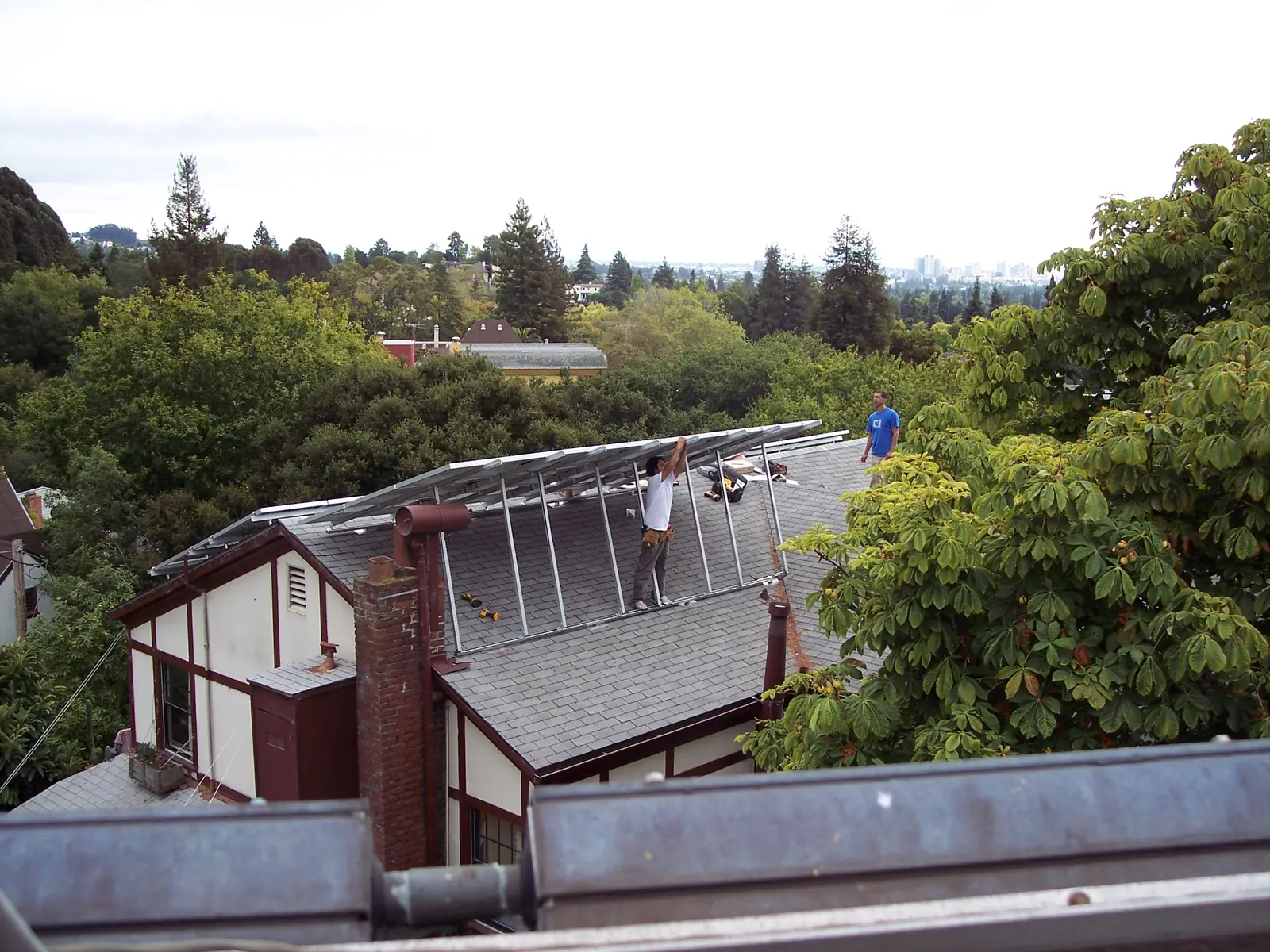
Why maintenance matters even for a system with no moving parts
Solar panels are robust, and many systems run for years without trouble. But roofs are exposed environments. Cables can be disturbed by birds or weather, fixings can loosen, shade can grow as trees mature, and inverters, which do much of the hard work, are the most common component to develop faults.
Maintenance is about noticing change. Comparing what your system produces now with what it should be producing is the quickest way to spot that something has drifted. Our approach combines a review of your monitoring data with a physical inspection, then a short written summary of what we found and what, if anything, we recommend.
What to look out for between visits
- Generation data
- A sudden drop or a flat line during sunny weather is worth checking. Compare like with like: this week against the same weather last year, not against last month.
- Inverter display
- Error codes, flashing lights or a blank display should be noted. Take a photo of any code before contacting us.
- Visible changes
- From the ground you may notice slipped panels, bird nesting beneath the array or new shade from vegetation.
- What not to do
- Do not climb onto the roof or open the inverter or isolators yourself. DC circuits can remain live whenever there is light.
- Typical inverter life
- Many string inverters are expected to last roughly 10 to 15 years, often less than the panels, so budgeting for replacement is sensible.
What a maintenance visit covers
Visual inspection of panels
Checking for cracked or discoloured glass, delamination, frame damage, hot-spot marks and anything that has settled on or under the array.
Mounting and roof checks
Looking at rails, clamps and fixings, and at the roof covering around them, including any signs of water ingress.
Cabling and connectors
Inspecting accessible cable runs, clips, conduit and connectors for wear, chafing or animal damage.
Inverter and isolators
Checking the inverter display and fault history, ventilation, labelling and the condition of AC and DC isolators.
Performance review
Reviewing generation data against expected output for the season to identify underperformance.
Shading review
Identifying new shading from tree growth, extensions or neighbouring structures.
Written summary
A clear note of findings and recommended actions in plain English, with no obligation to proceed with any further work.
How maintenance works
Tell us about the system
Share the age of the system, the equipment and any concerns, plus access to your monitoring app if you have one.
Remote review
Where possible we review generation history first, so the visit can focus on what matters.
Inspection
A visit to inspect the array, cabling, inverter and isolators, with safe access arranged for work at height.
Report and options
You receive findings and recommended actions, clearly separated into urgent, sensible and optional.
Benefits and practical considerations
Benefits
- Early identification of faults that would otherwise quietly reduce generation for months.
- A documented history of the system, useful for warranty queries and for selling the property.
- Confidence that safety-relevant items such as isolators, labels and cabling remain in good order.
- Advice on monitoring so you can keep an eye on performance yourself between visits.
Things to consider
- There is no single legal servicing interval for domestic systems, so frequency is a judgement based on the installation and manufacturer guidance.
- Some checks can be done remotely from monitoring data, but a safe physical inspection needs access to the roof or array.
- Findings may be outside warranty, and repairs are quoted separately.
- Maintenance records are only as good as the monitoring behind them, so we will tell you if yours has gaps.
Common questions
Read all FAQsIt depends on the age, location and equipment. Many owners choose a check every few years, with annual remote review of monitoring data. We will suggest a frequency after looking at your system.
Warranty terms vary between manufacturers and installers. Some ask that the system is operated and maintained in line with their instructions. Check your documents, and we are happy to help you read them.
In most cases yes, subject to access and a review of the existing documentation. We will tell you if anything about the installation limits what we can responsibly do.
Related services
- Solar Panel RepairsDiagnosis and repair of inverter faults, damaged components, wiring issues and underperformance.
- Solar Panel CleaningCareful, appropriate cleaning where it is justified, with attention to safe access and avoiding damage.
- Solar Panel InstallationDesign and installation of solar PV for homes, from roof assessment to commissioning and handover.
Ready to talk about solar panel maintenance?
Book a free, no-obligation consultation and we will talk through what is realistic for your home or business.