
Solar for your home, designed around how you live
Domestic solar can reduce the electricity you buy from the grid. How much it helps depends on your roof, your household and your daily routine, which is why we start with those.
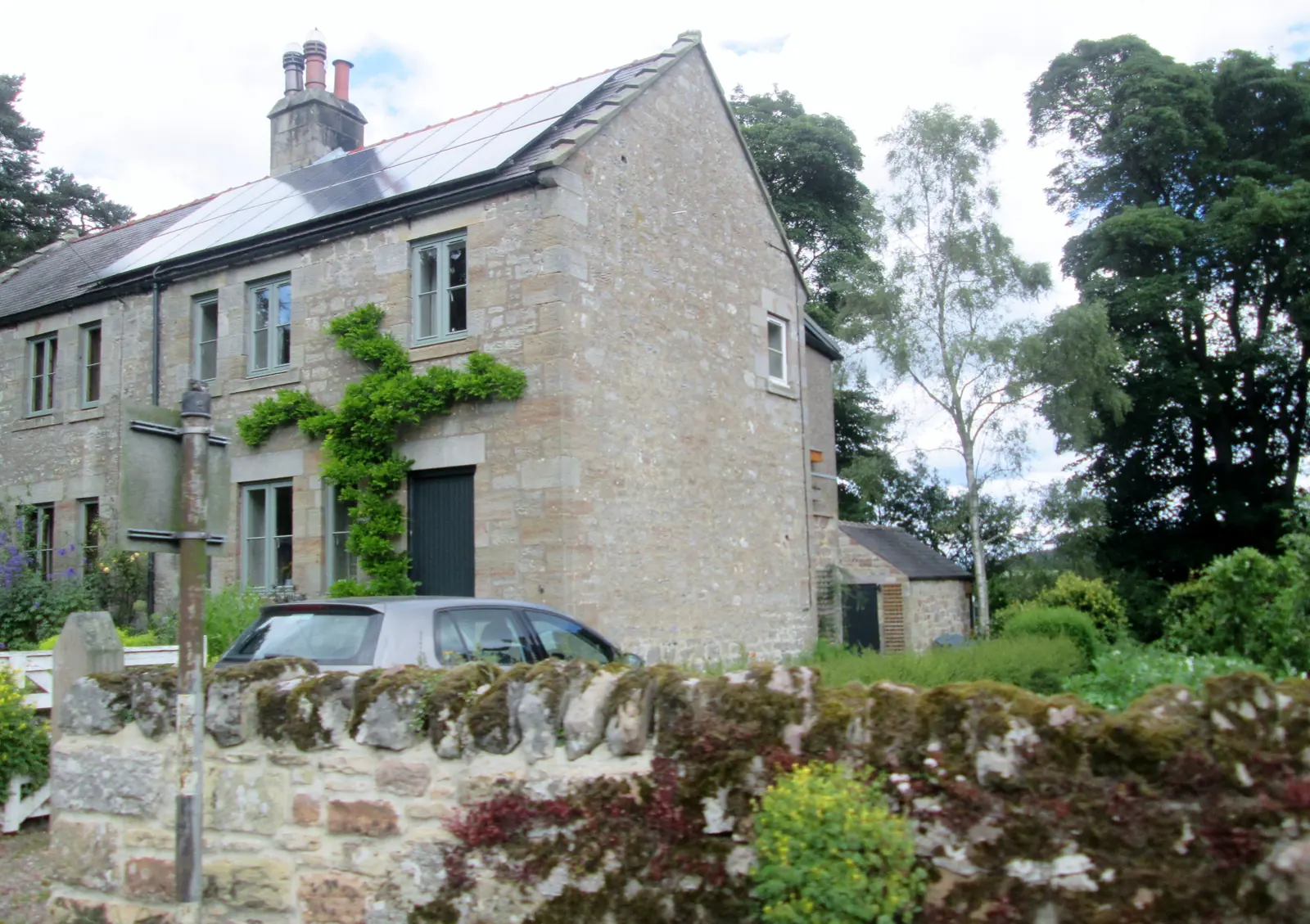
How a domestic solar PV system works
Panels on your roof convert daylight into direct current electricity. An inverter turns this into the alternating current your home uses. Whatever your household is using at that moment is supplied by the panels first, and any surplus can be stored in a battery or exported to the grid. When the panels are not producing enough, such as at night, you draw from the grid as normal.
Most domestic systems are connected to the mains and sit alongside your existing supply. You do not lose your connection to the grid, and your electricity continues without interruption when the sun goes in.
What affects a home installation
Roof suitability
Orientation, pitch, available area, shading from trees or chimneys, and the structural condition of the roof all matter. We look at each before recommending a layout.
Household electricity use
Homes that use more electricity during the day get more direct value from solar. Evening-heavy households may benefit from storage. We use your bills or smart meter data to see the pattern.
Battery storage options
A battery can raise the share of solar you use yourself, but adds cost. We compare options with and without storage. About battery storage
Grid connection
Your Distribution Network Operator must be told about, or in some cases approve, a grid-connected system. We prepare the paperwork for projects we deliver.
Planning and building regulations
Many domestic roof installations are permitted development, but listed buildings, conservation areas and flats need care. Electrical work must comply with the relevant regulations.
Maintenance and monitoring
Panels need little attention, but monitoring and the occasional inspection help catch problems early. About maintenance
The consultation process for homeowners
Free, with no obligation to proceed.
Tell us about your home
Send us a few details about the property, your electricity use and what you would like solar to do for you.
We review and get in touch
We look at your roof using photographs and aerial imagery, then talk through your usage and the options.
Survey where needed
If the project looks promising, we visit to check the roof, loft, consumer unit and meter position.
Written recommendation
You receive a proposal with the system, estimated generation and the assumptions behind it. Take your time to compare it.
Setting realistic expectations
Solar generation changes with the seasons, and the savings you see depend on how much of what you generate you use, your tariff and any export payments. Estimates are not guarantees, and we will always show you how a figure has been reached.
Payment for exported electricity under the Smart Export Guarantee varies by supplier, and eligibility conditions apply. We recommend comparing tariffs once your system is installed.
Residential solar questions
Read all FAQsThere is no single answer. Many UK homes install between 3 kWp and 6 kWp, but the right size depends on your annual usage, when you are home, the available roof and your budget. A larger system is not always a better one.
North-facing roofs generally generate much less, so they are rarely the first choice. East and west-facing roofs can work well, and a house with several roof slopes may still have a good option. We assess this before recommending anything.
Not necessarily for the panels themselves, but exporting to the grid and claiming export payments involves metering. We explain what your supplier requires as part of your consultation.
You should tell your buildings insurer before work begins, and check with your mortgage provider or freeholder if relevant. Some leases require consent.
Ready to explore solar for your home?
Book a free, no-obligation consultation and we will talk through what is realistic for your home or business.