
Solar panel installation, planned around your roof and your routine
A well-designed solar PV system starts with an honest look at the property: the roof, the shading, the electrical supply and how your household actually uses electricity.
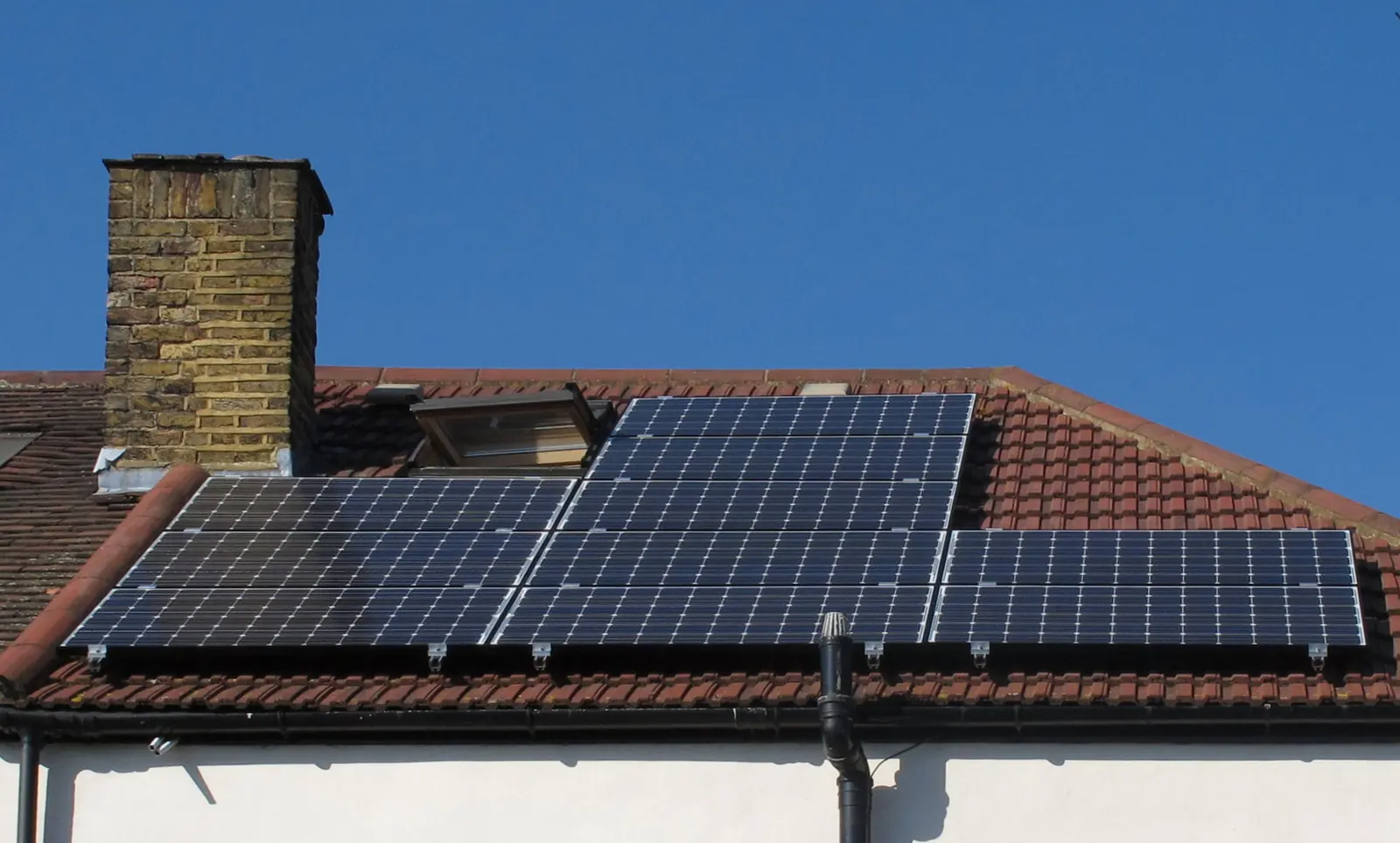
What a domestic solar PV installation involves
Solar photovoltaic (PV) panels turn daylight into electricity. In most homes that electricity is used first in the property, with any surplus either stored in a battery or exported to the grid. Panels are connected to an inverter, which converts the direct current (DC) they produce into the alternating current (AC) used by household appliances.
Every roof is different, so we do not start with a standard package. We look at the available roof area, its orientation and pitch, shading from trees and neighbouring buildings, the condition of the roof covering and the capacity of your electrical supply. From that we design a system that suits the property and talk it through in plain language before any commitment is made.
What the service includes
Roof and site assessment
A review of roof condition, structure, orientation, pitch and shading, plus access for scaffolding and the best route for cabling.
System design
Panel layout, system size, inverter choice and, where wanted, a battery or provision to add one later.
Equipment selection
Clear explanations of the panels, inverter and mounting system proposed, including warranty terms from the manufacturers.
Installation
Safe working at height, secure mounting, DC and AC cabling, isolation and labelling in line with the relevant wiring and product standards.
Commissioning and testing
Electrical testing and inspection, inverter set-up and a check that the system is generating as designed.
Grid connection paperwork
Notification to or application with your Distribution Network Operator (DNO), as required for the size of the system.
Handover
A walk-through of how to read your monitoring, what the isolators do, and who to contact if something does not look right.
Benefits and practical considerations
Benefits
- Generate electricity on site, reducing the amount you need to buy from the grid during daylight hours.
- Choose a system sized for your household rather than for the largest roof area available.
- Add battery storage at the outset or leave the system ready to accept one later.
- Panels have no moving parts and typically carry long product and performance warranties.
Things to consider
- Output varies with the seasons. Summer generation is far higher than winter generation in the UK.
- Savings depend on how much of the electricity you use as it is generated, your tariff and any export payments.
- Scaffolding is normally needed, so installation dates depend on access and weather.
- Tell your buildings insurer and, if relevant, your mortgage provider or freeholder before work begins.
How installation works
Consultation and assessment
We discuss your usage and goals, then assess the roof and electrical supply, remotely first where that is sensible and on site where it is needed.
Proposal
You receive a written recommendation with the proposed system, equipment, estimated annual generation and the assumptions behind it.
Planning the works
Once you decide to proceed, we agree a programme, arrange scaffolding and deal with grid notification.
Installation
Panels, mounting, cabling and inverter are installed. A typical domestic system is often completed in one to three days, though this varies.
Commissioning and handover
The system is tested, switched on and explained to you, with documentation and monitoring set up.
Useful technical information
- Typical home system size
- Many UK homes install between 3 kWp and 6 kWp, depending on roof area, usage and budget. kWp is the system’s peak rated output.
- Estimated annual generation
- A well-oriented, unshaded system in the UK commonly produces in the region of 800 to 950 kWh per kWp each year. Your figure depends on location, orientation, pitch and shading.
- Best roof orientation
- South-facing roofs generate most, but east and west-facing roofs can work well, particularly for households that use more electricity in the morning or evening.
- Roof structure
- Roofs must be able to carry the added weight and wind loading. Older or poorly maintained roofs may need repairs first.
- Grid connection
- Small domestic systems are normally notified to the DNO within 28 days of commissioning (G98). Larger systems need approval before installation (G99).
- Planning permission
- Many domestic roof installations fall under permitted development, but conditions apply and rules differ across England, Scotland, Wales and Northern Ireland. Listed buildings and conservation areas need particular care.
Common questions
Read all FAQsMost pitched roofs with a reasonable amount of unshaded space can host solar PV. We check the orientation, pitch, shading, structure and covering before recommending a system, and we will say so plainly if your roof is not a good fit.
The work on the roof for a typical home is often a matter of days, but the whole process, including assessment, design, scaffolding and grid paperwork, takes longer. We agree a programme with you before work starts.
Someone should be available for access at the start and end of the work, and the power will be briefly isolated when the inverter is connected. We will explain what to expect beforehand.
Manufacturers normally provide product and performance warranties on panels and inverters, and installers provide their own workmanship terms. We set these out in the proposal so you can compare them clearly.
Related services
- Battery StorageHome and commercial batteries to store surplus solar power and manage when you use it.
- Solar System ConsultationA free, no-obligation conversation and feasibility review before any decision is made.
- Solar Panel MaintenanceInspections, performance monitoring and preventive checks to help a system keep generating as designed.
Ready to talk about solar panel installation?
Book a free, no-obligation consultation and we will talk through what is realistic for your home or business.